Who is affected, and where.
Learn about the communities affected by untouchability around the world. Separated by geography, language and history, they face remarkably similar systems of exclusion.
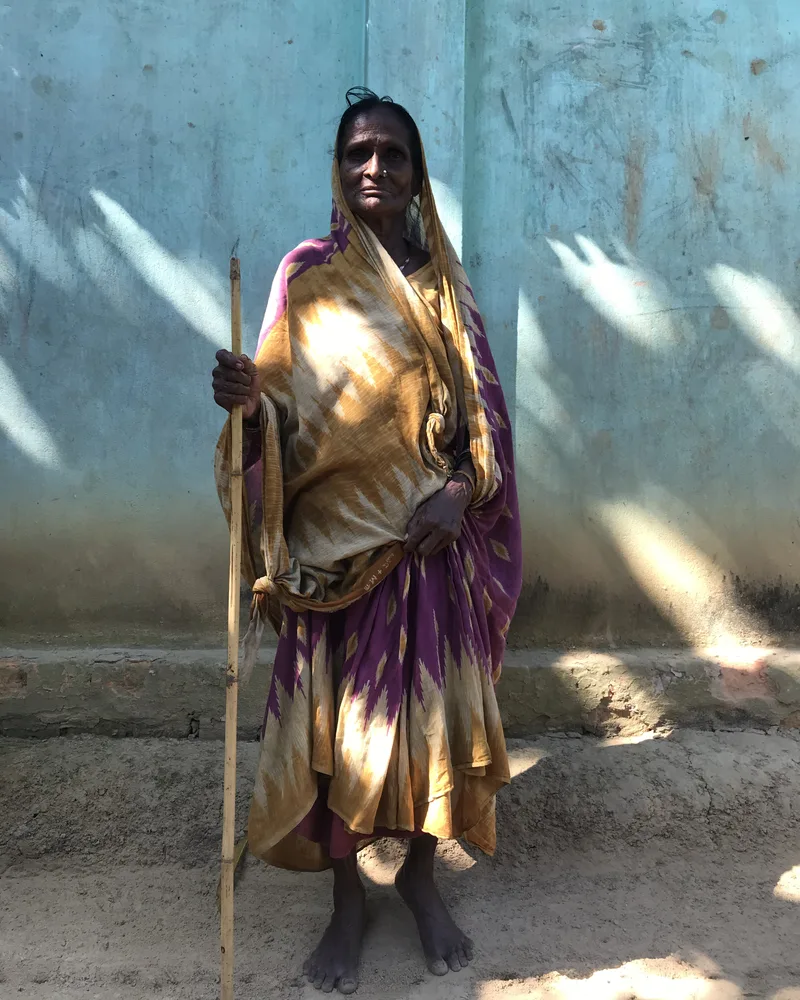
- DalitsAsia
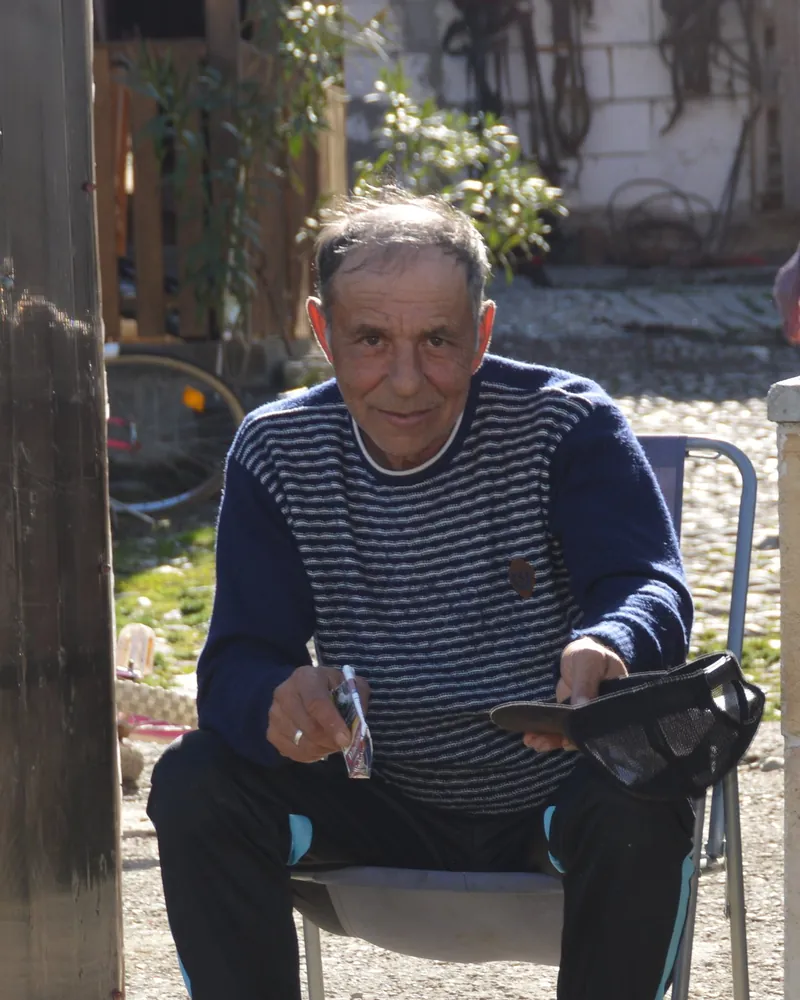
- RomaEurope
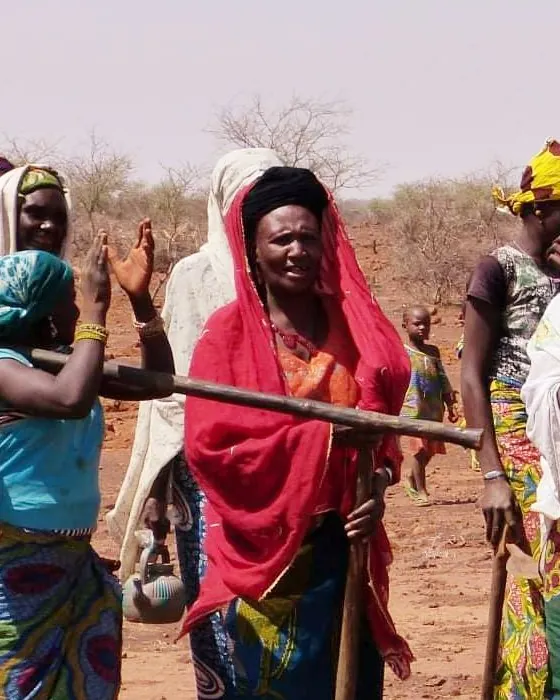
- Haratine and OsuAfrica
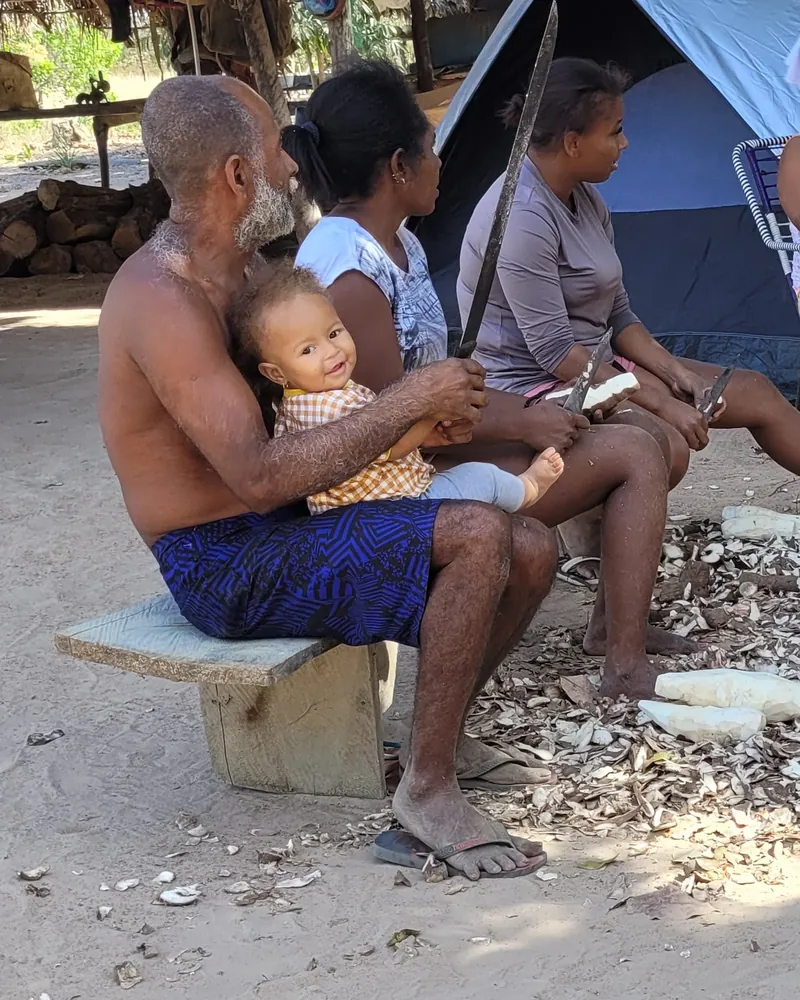
- Quilombola and PalenqueLatin America
Who is affected, and where.
Dalits in Asia
Living with the weight of “untouchability”. Across South Asia - India, Nepal, Bangladesh, Pakistan and Sri Lanka - over 260 million people are born into communities historically labelled “untouchable”. Known as Dalits, they are assigned, by birth, to the bottom of a caste hierarchy that dictates whom they may marry, what work they may do, which wells they may drink from, and which temples they may enter.
Caste-based discrimination is not a relic of the past. Dalits across Asia continue to face social boycotts, bonded and manual scavenging labour, land dispossession, and routine violence including targeted attacks on Dalit women and girls, who carry the compounded burden of caste, class and gender. Discriminatory practices are reinforced through custom, economic dependency and, in many places, silence and impunity rather than law.
The Burakumin: Japan’s hidden caste
Beneath Japan’s image as an ethnically homogeneous society lies one of its oldest and most persistent forms of discrimination. The Burakumin trace their outcast status to the Edo period (1603 to 1867), when the feudal hierarchy placed two groups, the “Eta” and “Hinin”, at the very bottom of society, assigned to occupations considered ritually impure, such as leather tanning, butchery and the disposal of the dead.
The caste system was formally abolished in 1871, yet discrimination has persisted for over 150 years. Estimates of the Burakumin population vary widely, from just over a million by some official counts to as many as six million by advocacy estimates, in part because the community remains largely invisible: identifiable mainly through ancestral address records rather than any physical or ethnic marker.
That invisibility has not ended the discrimination. Buraku communities continue to face segregation in housing, lower levels of education and reduced access to employment, with Buraku women experiencing especially low literacy and employment rates, and roughly 30 per cent reporting having suffered sexual violence. Marriage remains one of the most sensitive flashpoints, with families still using private detective agencies to screen out Buraku ancestry.
Since 1922, the Buraku Liberation League, originally the Suiheisha, has led the fight for redress, pushing Japan toward legislation like the 2016 Act on the Promotion of the Elimination of Buraku Discrimination: a symbolic but narrow law that, activists argue, still lacks enforcement teeth or penalties.
The Burakumin experience is a reminder that descent-based discrimination is not confined to any one region or religion. It is a global pattern, one that connects the Buraku to Dalits, Roma, Haratine and other communities discriminated against on the basis of work and descent. We work with the International Movement Against All Forms of Discrimination and Racism (IMADR) to strengthen human rights protections for Burakumin.
Roma in Europe and Latin America
A caste system that crossed continents. The word “Gypsy” hides a history that historians and Roma scholars alike trace back to the Indian subcontinent, and to the very caste hierarchy that still shapes the lives of Dalits in South Asia today. Roma communities descend from groups who left the Indian subcontinent roughly a thousand years ago, migrating westward over centuries into the Middle East, North Africa and eventually every region of Europe, and later the Americas and Australia.
Along the way, the people once known as the Doma - associated in ancient Indian sources with occupations such as trade, music and fortune-telling, and pushed to the bottom of the social order for it - became, in the words of researchers who have studied their history, Europe’s own “untouchables”.
Centuries later, the pattern persists. Roma communities across Europe - an estimated 10 to 12 million people, with related communities also present in Latin America - continue to face what is now named antigypsyism: a specific, race- and descent-based prejudice built on that same inherited “outsider” status. It shows up as segregated settlements without secure land tenure or reliable water and electricity, segregated or under-resourced schooling, discriminatory policing, and statelessness driven by the cost or complexity of official documentation.
In several European countries, well over half of Roma surveyed report experiencing discrimination, while only a small fraction ever formally report it - a gap that reflects generations of mistrust toward the institutions meant to protect them.
Our partner in Europe is the European Roma Grassroots Organisation (ERGO) Network. Our partnership supports rights protections for Roma across Europe and the global diaspora.
Haratine, Osu and other communities facing caste and descent-based slavery in Africa
Descent-based slavery did not end with abolition. In parts of Africa, discrimination based on work and descent takes one of its most severe forms: hereditary, descent-based slavery, where a person’s status - and that of their children - is fixed by the social position of their ancestors, often generations after formal abolition.
The Haratine of Mauritania and the wider Sahel, historically bound in servitude and still facing land dispossession, forced labour and social exclusion, are among the most visible examples. The Osu caste system in parts of Nigeria and neighbouring communities imposes ritual “untouchability” on descendants of those once dedicated to shrines, barring them from marriage, land ownership and political office. Related systems affect the artisan castes of West Africa and Bantu communities in Sudan, among others - each shaped by local history, but bound by the same underlying logic.
Our partners in Africa have come together as the Africa Global Forum of Communities Discriminated on Work and Descent. These include community organisations representing, Osu, Haratin, Wahaya, Slave-descendant caste groups in The Gambia and across the Sahel
Quilombola and Pelenque communities in Latin America
The descendants who freed themselves, and are still fighting to be recognised. Quilombola communities in Brazil and Palenque communities in Colombia and beyond trace their origins to settlements founded by enslaved Africans who escaped captivity and built free, self-governing societies - some of which have endured for over 400 years. Their existence is a story of resistance. Their present is still a fight for land, recognition and equal citizenship.
Despite constitutional protections for territorial rights in several Latin American countries, many Quilombola and Palenque communities remain without formal land titles, leaving them exposed to encroachment, environmental degradation and forced displacement. Access to basic services - healthcare, education, clean water - lags behind national averages, and anti-Black racism compounds the discrimination rooted in their community’s history and social origin.