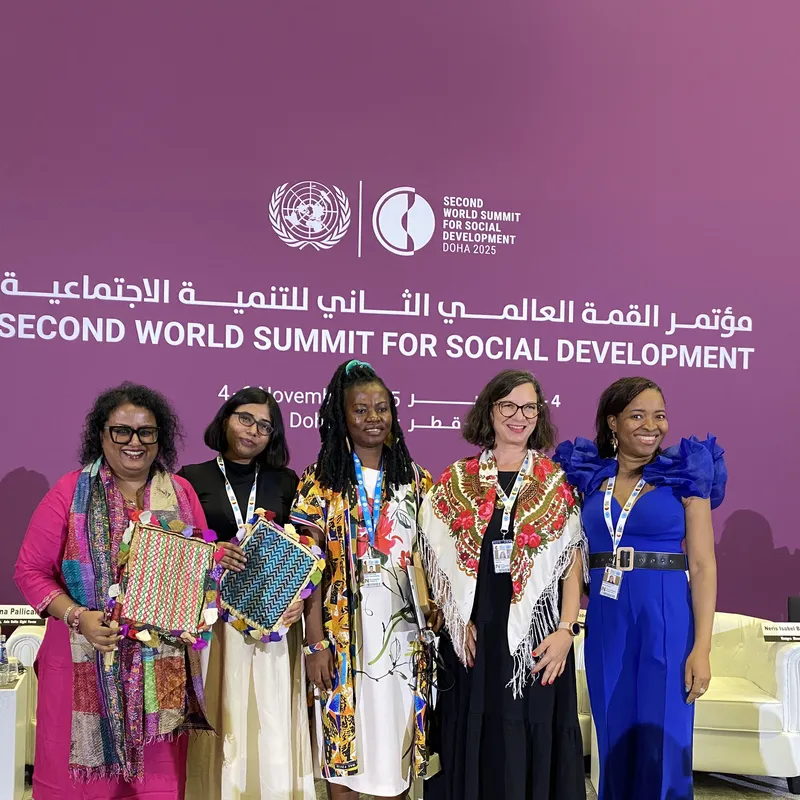
The Inclusivity Project brings the voices and lived experiences of community into global policy spaces, including the United Nations and other international forums. We work to ensure that discrimination based on caste, work, descent is recognised in global human rights and development agendas, while advocating for governments and institutions to turn recognition into meaningful action.
Regional advocacy
Change also has to happen closer to home. The Inclusivity Project works with community organisations and advocates across regions to raise issues with regional human rights institutions, governments and policymakers, building recognition, accountability and stronger protections for communities facing discrimination.
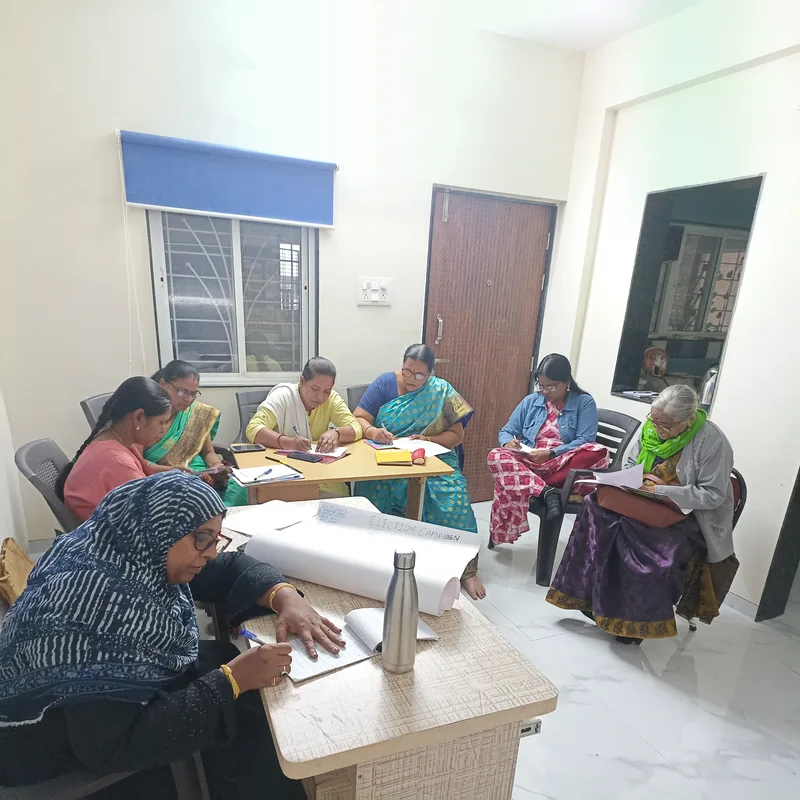
Our Rights Monitors programme puts communities at the centre of documenting and challenging discrimination. Community activists are trained to identify, document and raise rights violations, building the knowledge and confidence needed to take local experiences into national, regional and global advocacy. The Rights Monitors programme also supports community representatives to contribute to advocacy and data collection at multiple levels.
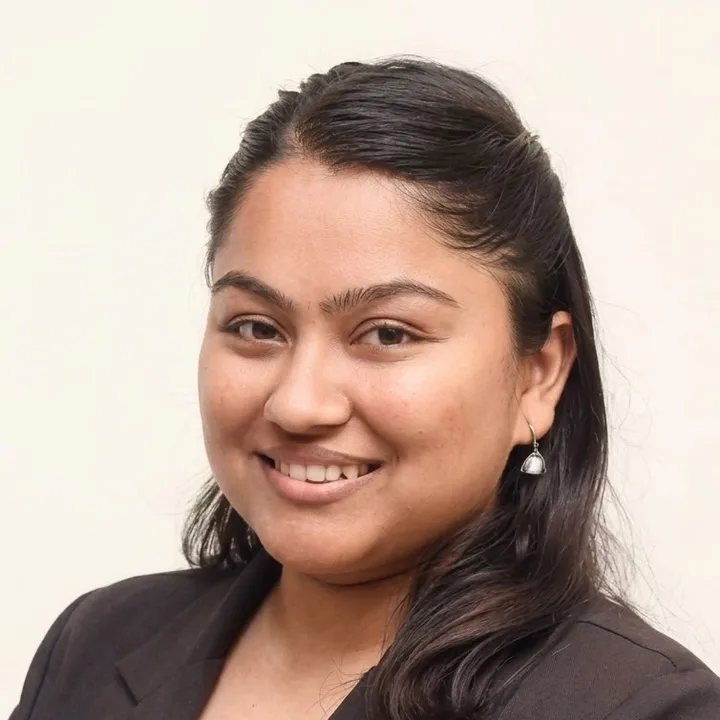
Behind the data and advocacy are people who experience discrimination first-hand and are working to change it. Meet Kunjini, Ali and Yacouba: community advocates whose experiences, knowledge and leadership help make visible the realities of discrimination and ensure that affected communities speak for themselves.
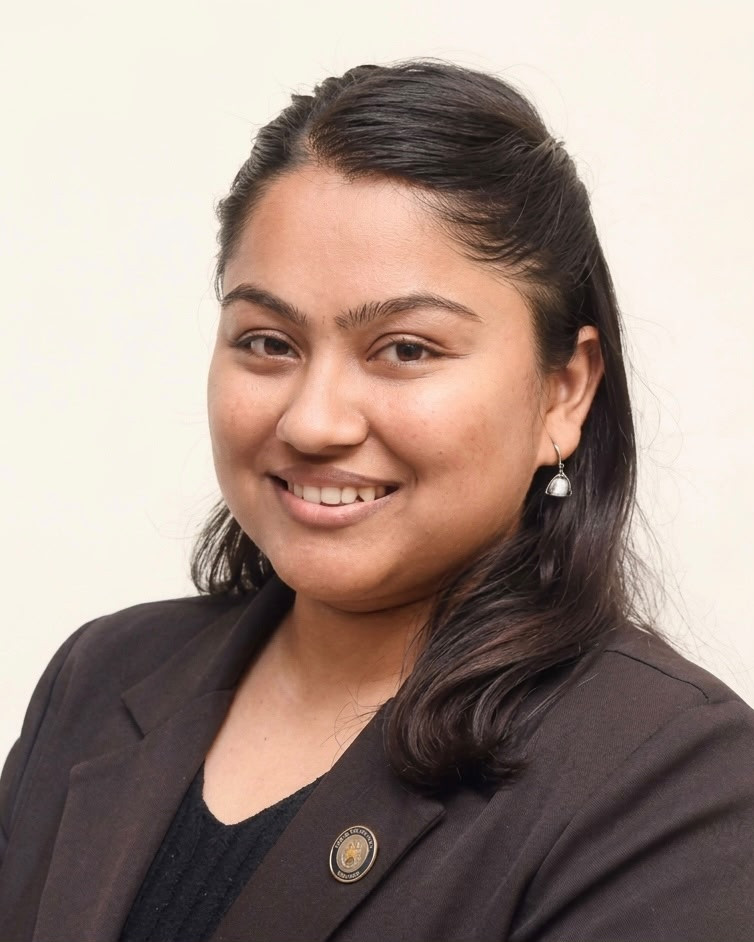
NepalKunjini Pariyar Pyasi
Kunjini grew up Dalit in Nepal and began fighting back at 12. Today she is a human rights lawyer. The Rights Monitors Programme gave her research tools, human rights frameworks and policy strategies, and she took them straight back to her community.
Through The Inclusivity Project’s training, I learned how to turn our lived experiences into evidence, and our evidence into action.
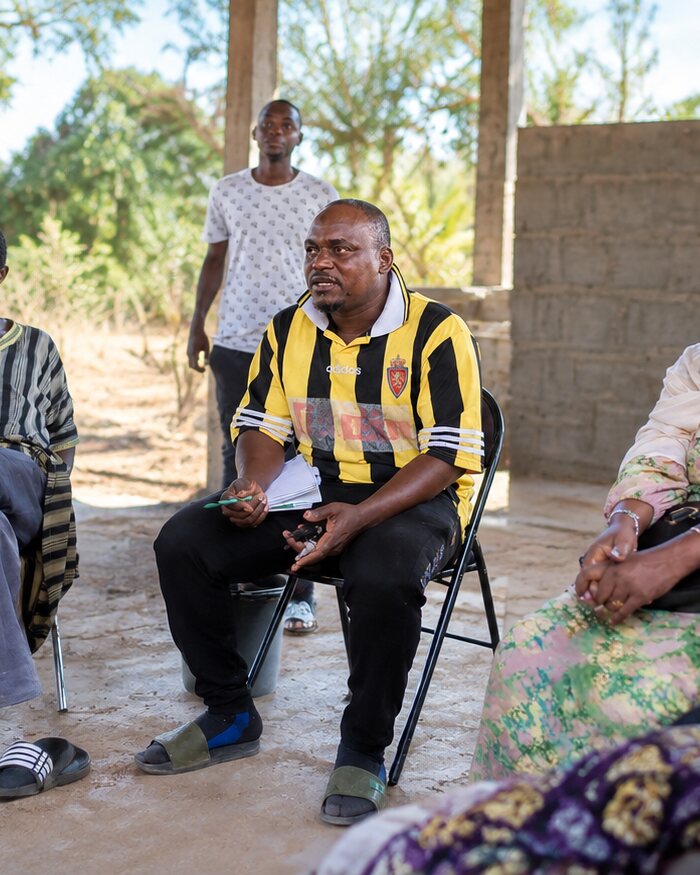
The GambiaAli Camarra
In SerraKunda, Ali’s community had long been looked through rather than looked at. The Rights Monitors Programme gave him the tools, the language and the confidence to document discrimination and be heard, and decision-makers who never listened now do.
For the first time, we felt like we mattered. Like someone was listening. Like we could actually win.
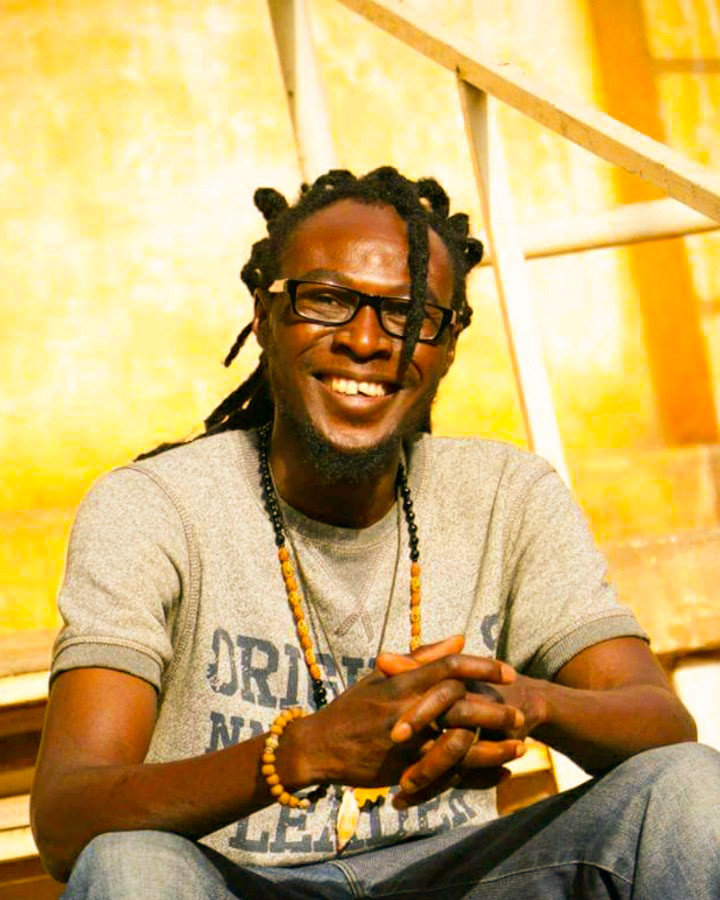
NigerYacouba Ibrahim Oumarou
Activist, rapper and author Yacouba, known on stage as Sage Soldat, speaks out against slavery in Niger. The Rights Monitors Programme gave him the language and tools to take his community’s experience all the way to the UN Universal Periodic Review.
Through The Inclusivity Project’s training, I learned how to collect evidence from my own community and turn our lived experiences into a structured report, and into action.
Click the arrow below to read the stories of Ali and Yacouba.
Evidence
Engagement with researchers
The Inclusivity Project works with researchers to document a form of discrimination that remains poorly understood and inadequately measured. By connecting researchers with community advocates and regional experts, we generate evidence grounded in lived experience, and translate research into knowledge that can inform policy, advocacy and action.
Ghana Conference
Connecting communities, building knowledge, driving change
On 3 April 2025, scholars, activists, policymakers and members of affected communities gathered online for a landmark conference on discrimination based on work and descent (DWD) in Africa. Hosted with the University of Ghana’s Department of Sociology and convened by Prof. Alhassan Sulemana Anamzoya and Dr. Joel Lee, it was among the first events to connect Communities Discriminated on Work and Descent (CDWD) across the continent.
Discrimination rooted in occupation and inherited status affects an estimated 270 million people worldwide. Beyond South Asia, where Dalits have long been labelled “untouchable,” similar systems exist in Africa, affecting communities such as the Haratin, Osu, Gewel, Fuga, Gaboye, Rerhe, Bellah and Trokosi.
What was achieved
Communities from across Africa were connected, building solidarity across borders.
A keynote and eight expert presentations shared evidence on community realities.
Research was turned into advocacy recommendations for governments, the African Commission on Human and Peoples’ Rights, UN agencies and national human rights institutions.
A call for research papers was launched, paving the way for a follow-up conference and special journal issue.
A joint statement urged sustained action to end discrimination based on work and descent.
The Inclusivity Project’s role
As a founding organiser, working with the Global Forum of Communities Discriminated on Work and Descent, The Inclusivity Project helped shape the vision, bring together speakers and community voices, and build the digital platform that connected participants across countries. We ensured those living with this discrimination were heard as experts, not only as subjects of study.
The conference has given fresh momentum to learning about communities long called “untouchable,” and is a first step toward dignity, equality and inclusion.
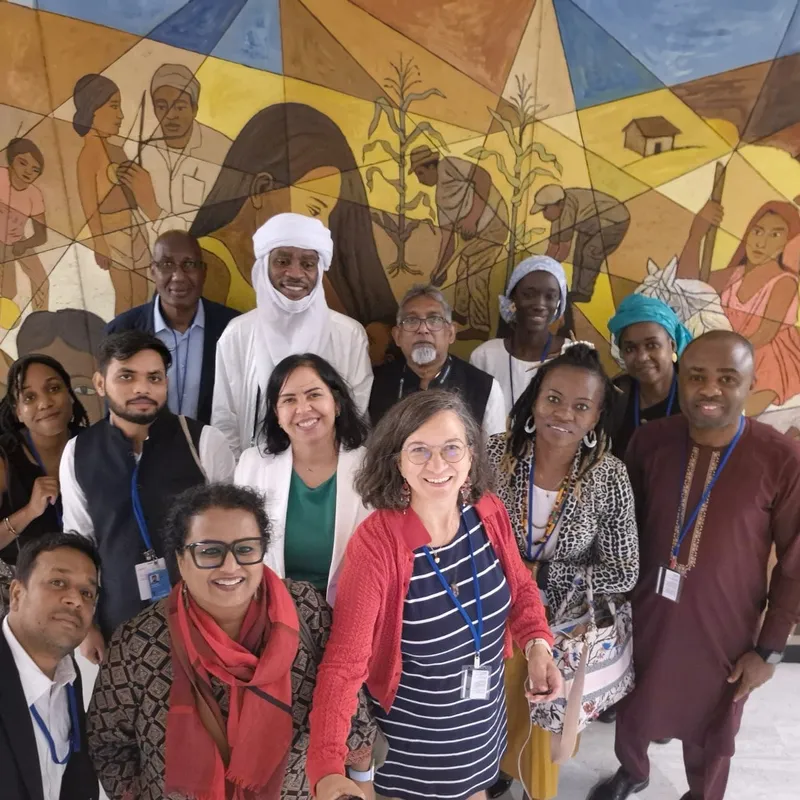
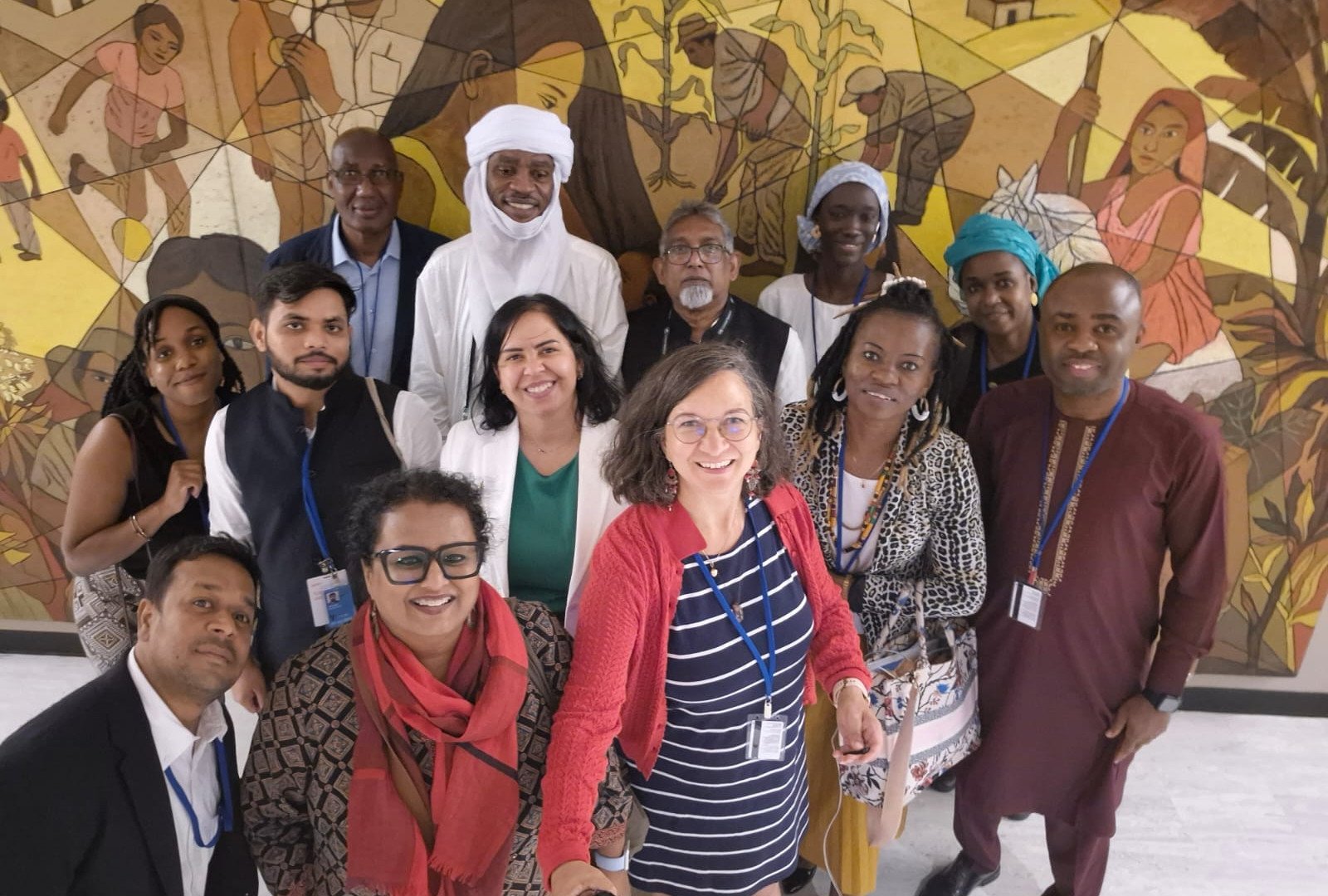
Community advocates gathered for the United Nations High Level Political Forum in 2025.
Movement
Connecting previously isolated communities
Communities facing similar forms of discrimination - based on caste, descent-based slavery or occupation - have united under the framework of “Communities Discriminated on the basis of Work and Descent”, a UN term used to describe these forms of discrimination, in order to advocate for their rights on the global stage.
These communities may be separated by geography, language and history, but many face remarkably similar systems of exclusion. The Inclusivity Project connects them across Asia, Africa, Europe and Latin America to share experiences, build collective power and address common challenges. Together, they are transforming isolated struggles into a global movement for recognition, rights and dignity.
The Global Forum of Communities Discriminated on Work and Descent (GFoD) is where these communities come together. The Inclusivity Project is the vehicle that brings the Forum to life, connecting network partners from around the world who represent communities seen as 'untouchable' and discriminated against on the basis of their occupation (work) and ancestry (descent). More on how we work with Community
All three approaches feed every first level result. Targeted stakeholders' recommendations lead to stakeholders implementing laws and policies; strengthened leadership leads to organised communities asserting rights. The first and second level results reinforce each other and the global movement. Both second level results lead to the impact; the global movement leads to societal recognition of untouchability as a human rights violation, which also leads to the impact.
Key actors TIP/GFoD allies and researchers (our approach)
Advocacy at policy and political fora
Empowerment of grassroots monitors to redress rights violations
Emerging researchers generate evidence and share with stakeholders and change agents
First level results
Targeted stakeholders make recommendations for human rights fulfillment and quality of life enhancements
Leadership (esp women and youth) emerges and is strengthened
Global movement including activists, artists, influencers use testimonies and data to promote elimination of untouchability and enhance quality of life
Second level results
Stakeholders implement laws and policies to ensure rights, good labor practices and quality of life for target communities
Organised communities assert rights, advocate for quality of life change and influence change agents
Impact
Societal recognition and acceptance of untouchability as a human rights violation
World free of untouchability
Living conditions improved
Rights respected
Note: “stakeholders” includes communities, activists, policy makers, and all people potentially concerned about discrimination based on work and descent.