Our Goals

Six objectives guide our long-term struggle to end untouchability. Each addresses a different, interconnected dimension of the problem and shapes the programs, advocacy, research and partnerships that we and our allies undertake to advance lasting change.

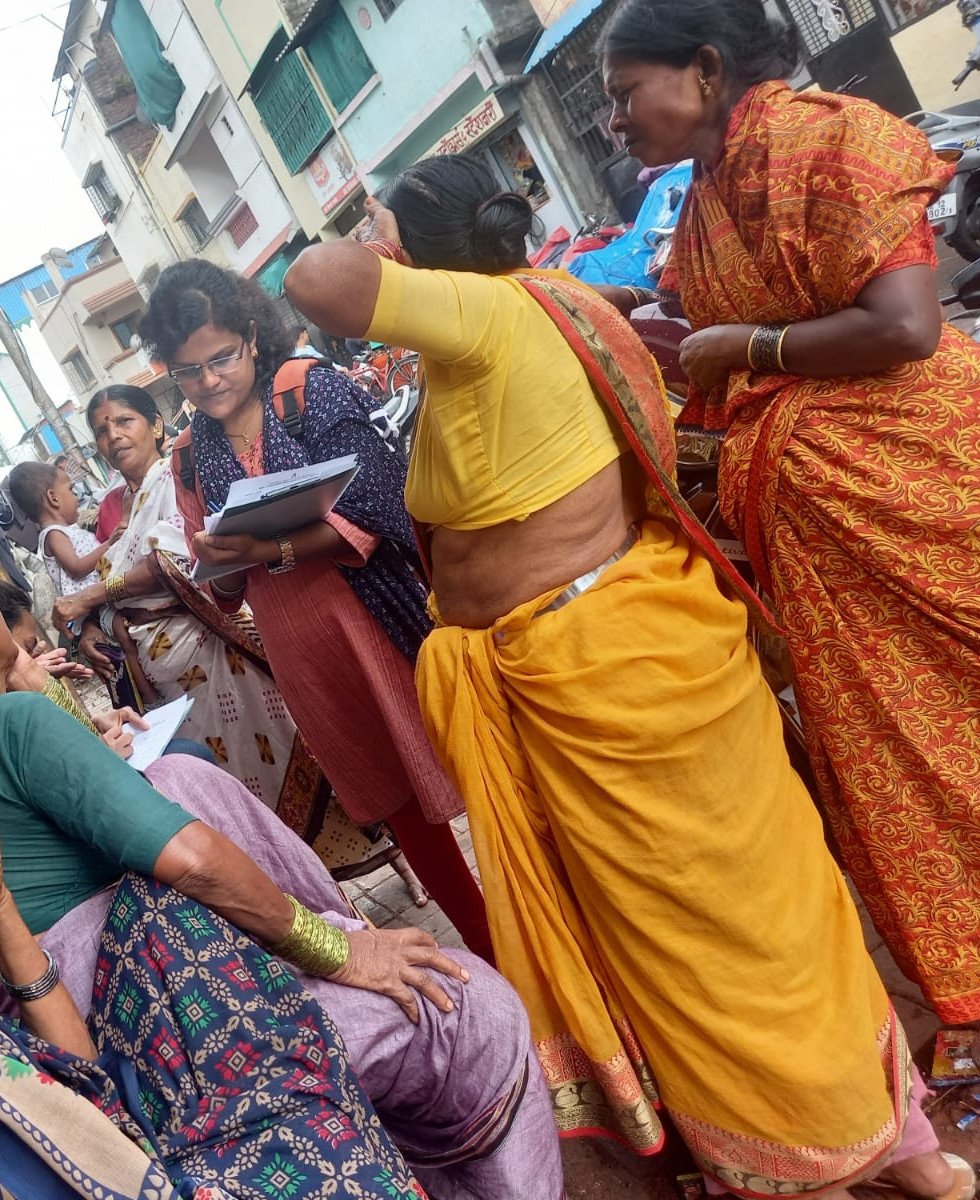
Community women seated with notebooks recording testimony while a colleague stands and speaks.
Our TIP-trained Rights Monitor gathers testimony in their own community.

End rights violations

We train grassroots activists as Rights Monitors to identify and report rights violations in their own communities. They address discrimination that local officials do not recognise, and help create systems to acknowledge it.

We equip local activists and affected communities with the skills and resources to safely gather testimony, document abuses and monitor instances of bias as they unfold. This evidence is submitted to UN mechanisms and other international forums. Every case documented builds a foundation to encourage states to act and deliver redress.

Asia: Bringing evidence before the UN Committee on the Elimination of Racial Discrimination

TIP-trained Rights Monitors from Dalit communities across Asia bring cases of untouchability caste-based discrimination and exclusion to CERD, the UN body mandated to review cases of racial discrimination in line with International Conventions. By engaging with it directly, communities are ensuring that governments are held accountable for discrimination that is often ignored, normalised or inadequately addressed at home.

Africa: recognition by the African Commission on Human and Peoples’ Rights

Communities affected by slavery- and descent-based discrimination are bringing their experiences to the African Commission to ensure their rights are recognised and protected. Their advocacy is helping secure regional recognition of discrimination that has persisted for generations and is too often overlooked or denied by national institutions.

Undo discriminatory laws

We work with governments and human rights institutions to reform laws and policies that entrench social hierarchies, closing the gap between rights on paper and what communities actually experience.

From Policy to Progress: Examples of Our Work with Partners to Reform Discriminatory Legislation

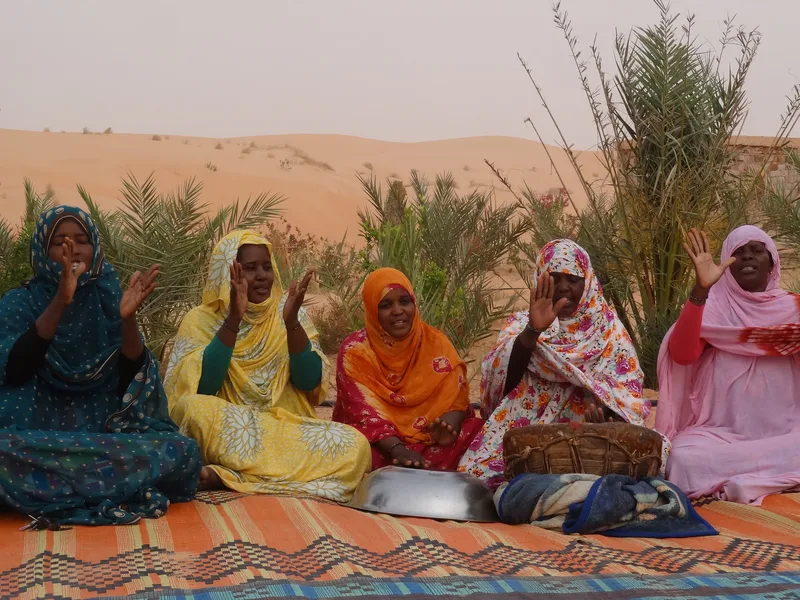
Five women in bright headscarves sing and clap together on a woven mat in the desert.

Mali

PartnersGlobal Forum of Communities Discriminated on Work and Descent (Africa)
OutcomeMali’s 2023 Constitution

Working alongside regional network partners, The Inclusivity Project supported decades of advocacy that helped shape Mali’s 2023 Constitution, which now prohibits slavery outright and criminalises it under the Penal Code.

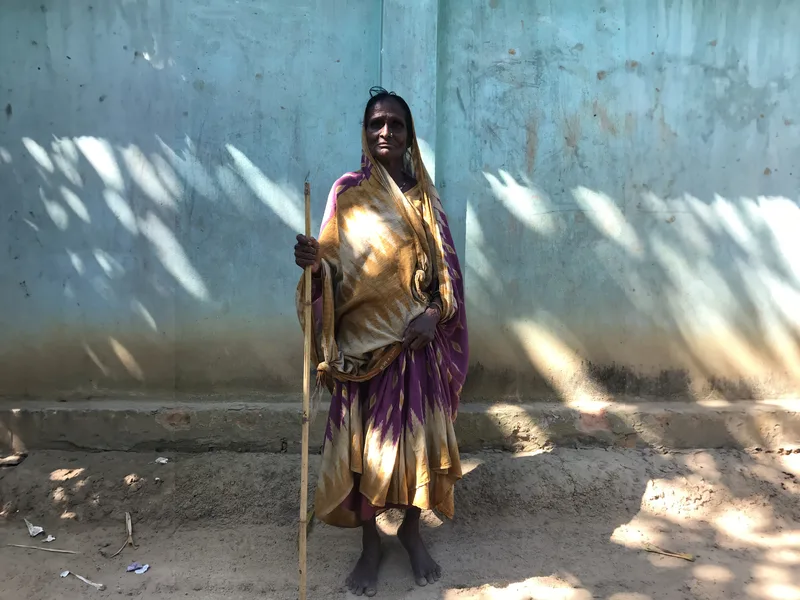
An elderly woman in a patterned sari stands with a bamboo stick against a pale blue wall.

Nepal

PartnersAsia Dalit Rights Forum
OutcomeNepal’s founding law

In collaboration with the Asia Dalit Rights Forum and other regional network partners on the ground, The Inclusivity Project helped drive the effort to enshrine Dalit rights as constitutional guarantees in Nepal, embedding protection against discrimination into the country’s founding law, not just its policies.

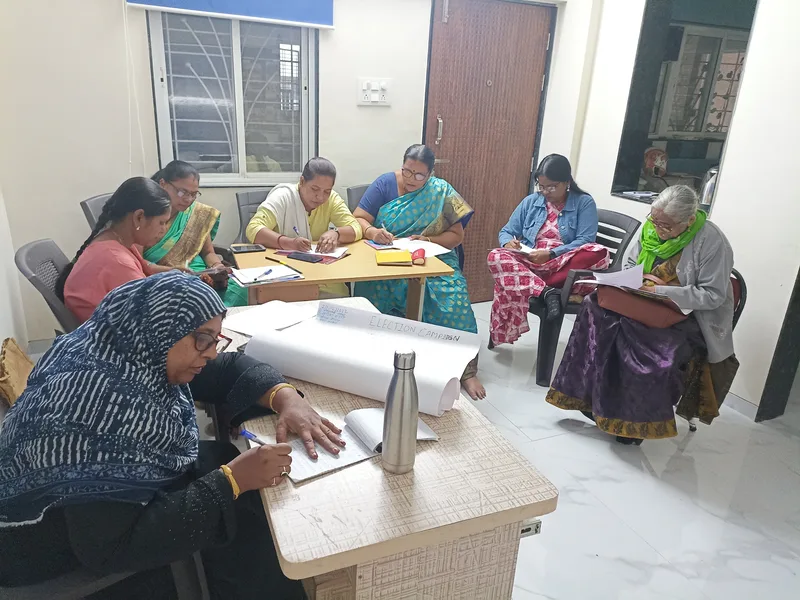
Women sit around tables writing notes, beside a sheet of chart paper headed “Election campaign”.

India

PartnersNational Campaign on Dalit Human Rights
OutcomeThe Prevention of Atrocities Act

Through joint advocacy with the National Campaign on Dalit Human Rights, The Inclusivity Project contributed to strengthening protections for Dalits under the Prevention of Atrocities Act, sharpening the legal tools communities can use to hold perpetrators accountable.

Empower women leaders

Women from our communities carry the double burden of discrimination not only due to descent but also due to gender norms that subjugate them to male domination. We reach out especially to women to provide them with tailored training to overcome ancestral barriers to their equal participation

Local authorities often perpetuate male dominance and thus fail to acknowledge gender-based violence and resist holding perpetrators accountable. We help community women identify their special needs, empowers them to speak out and accompanies them to address local, country and international human rights mechanisms to demand justice. We also seek out and collaborate with gender-focused partners so we can increase the impact of this work.

We support women in affected communities to identify their needs and speak out on the issues that matter to them, while working with gender-focused partners to amplify their voices and impact.

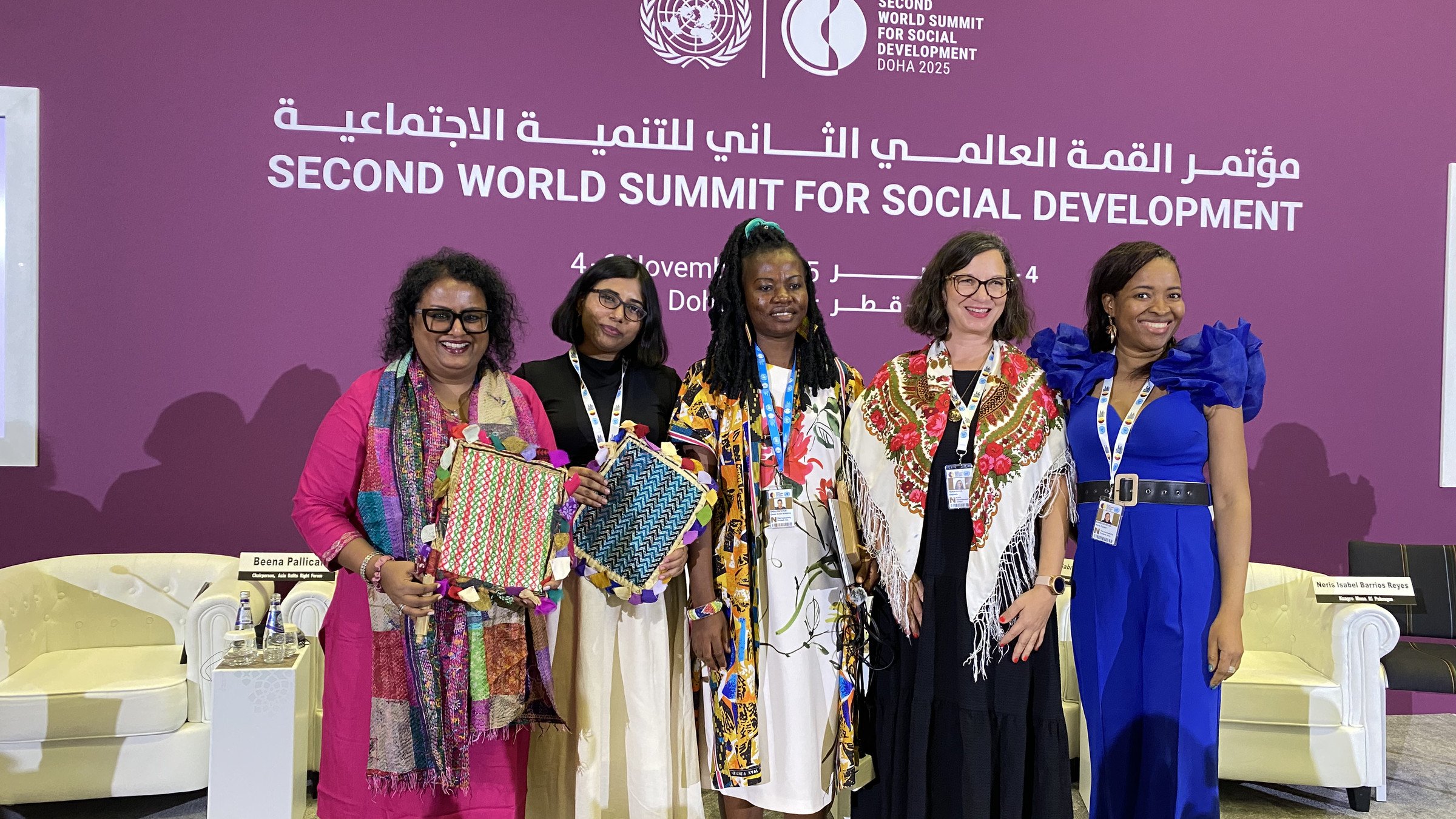
Five women stand together on stage at the Second World Summit for Social Development.
Women leaders from our Rights Monitoring program at the Second World Summit for Social Development in Doha calling for targeted anti-discrimination laws, disaggregated data collection and the meaningful inclusion of issues affecting women from our communities in policy design and implementation. Read More
UN Women logo

Our partnership with UN Women

The Inclusivity Project, which hosts the Global Forum of Communities Discriminated on Work and Descent (GFoD), partnered with UN Women to co-develop the landmark policy brief Women Belonging to Communities Discriminated Against Based on Work and Descent: Advancing Intersectional Rights and Justice released in 2025 as UN Women’s first-ever global policy brief on women from CDWD communities. The brief was developed through consultations with grassroots researchers and activists from CDWD communities worldwide.

By centring the lived testimony of women from communities like the Dalits, Roma, Haratine, Quilombola and Burakumin, the paper moves beyond a single-country lens to shape a genuinely global gender equality agenda, calling for targeted anti-discrimination laws, disaggregated data collection and the meaningful inclusion of CDWD women in policy design and implementation.

Promote young people’s voice

We guide and support young people to lead and sustain advocacy in their own communities.

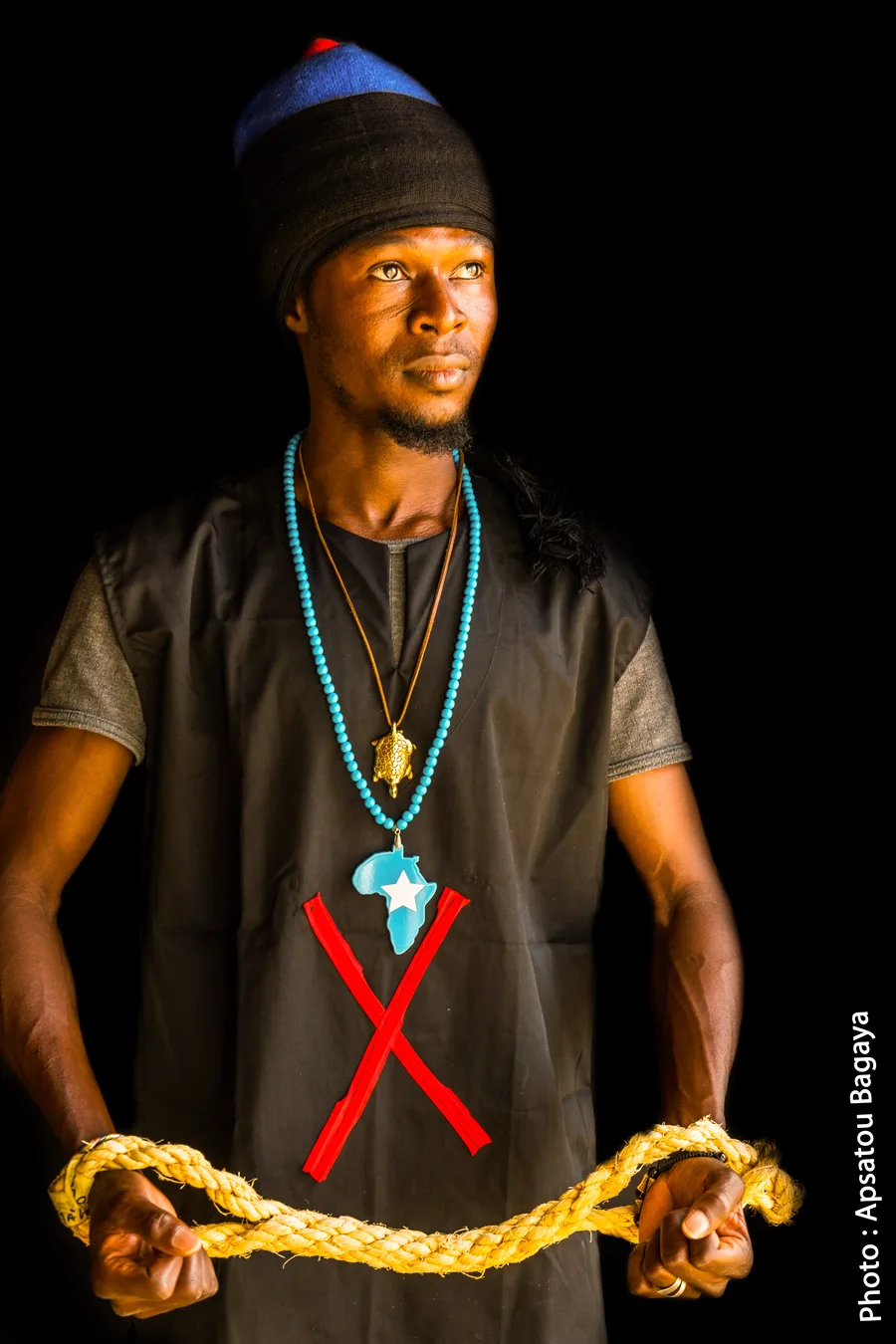
A young man in a dark tunic, with a red cross marked on his chest and an Africa pendant, holds a length of rope stretched between his hands.

We recognised that young people are not just beneficiaries of our work - they are leaders, advocates and changemakers in their own right. We create and nurture safe spaces where young people from our communities can come together to connect, share their lived experiences, and build networks of solidarity and support.

Through structured training and mentorship, we equip young people with the skills, confidence and platforms they need to speak up on issues that directly affect their lives. These safe spaces serve as more than just meeting points; they are incubators for leadership, where young advocates learn from one another, exchange strategies and strengthen their collective voice.

Critically, we ensure these voices do not stop at dialogue - they translate into influence. We actively support young people to engage with policymakers and decision-making processes, ensuring their perspectives and priorities directly shape the policies and programmes designed for them. By investing in young people’s capacity to lead their own advocacy, we help build a generation of self-sustaining, community-rooted changemakers who continue this work long after our direct involvement ends.

Improve access to public services

Clean water, healthcare, housing and education remain out of reach for communities pushed to the margins by discrimination. We support these communities’ claim to access essential services, and bring their exclusion to platforms like the United Nations High-Level Political Forum and the 2030 Agenda Summit, where global development commitments are made and must be held to account.

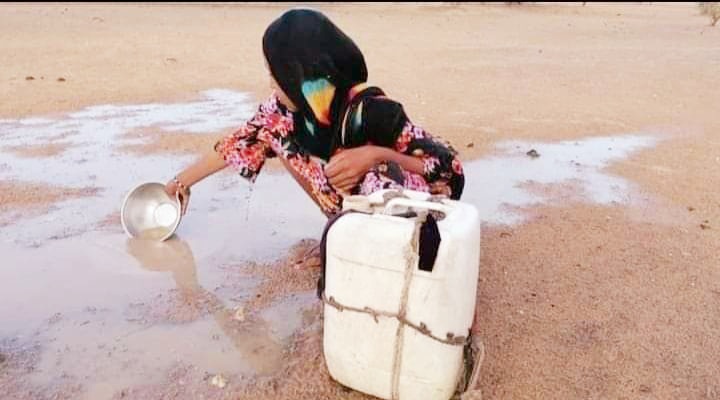
A woman crouches to fill a jerrycan from a shallow pool of standing water.
Where water is denied, everything else follows.

Communities in The Gambia can now access water without fear and stigma

Ali Camarra, from a marginalised community in SerraKunda, The Gambia, took part in The Inclusivity Project’s Rights Monitors Programme, which trained him to document discrimination, engage human rights mechanisms and advocate before decision-makers. His community had long faced exclusion from basic services, including reliable access to water, alongside a broader pattern of being denied a voice in decisions that affected them.

Applying the skills gained through the programme, Ali documented his community’s lack of water access and used this evidence to engage local authorities and decision-makers. His sustained advocacy contributed to securing improved water access for his community.

This outcome reflects the broader impact of the Rights Monitors Programme: equipping individuals from marginalised, descent-based communities with the tools to translate lived experience into structured advocacy, and to hold decision-makers accountable for addressing long-standing service gaps.

End degrading work

Millions are still forced into stigmatised, hazardous work simply because of the community they were born into.

We engage businesses and lawmakers to end these practices, including through business and human rights frameworks on eradicating manual scavenging, because dignity in work is not negotiable.

Read Our Report on addressing modern slavery for communities experiencing discrimination on work and descent

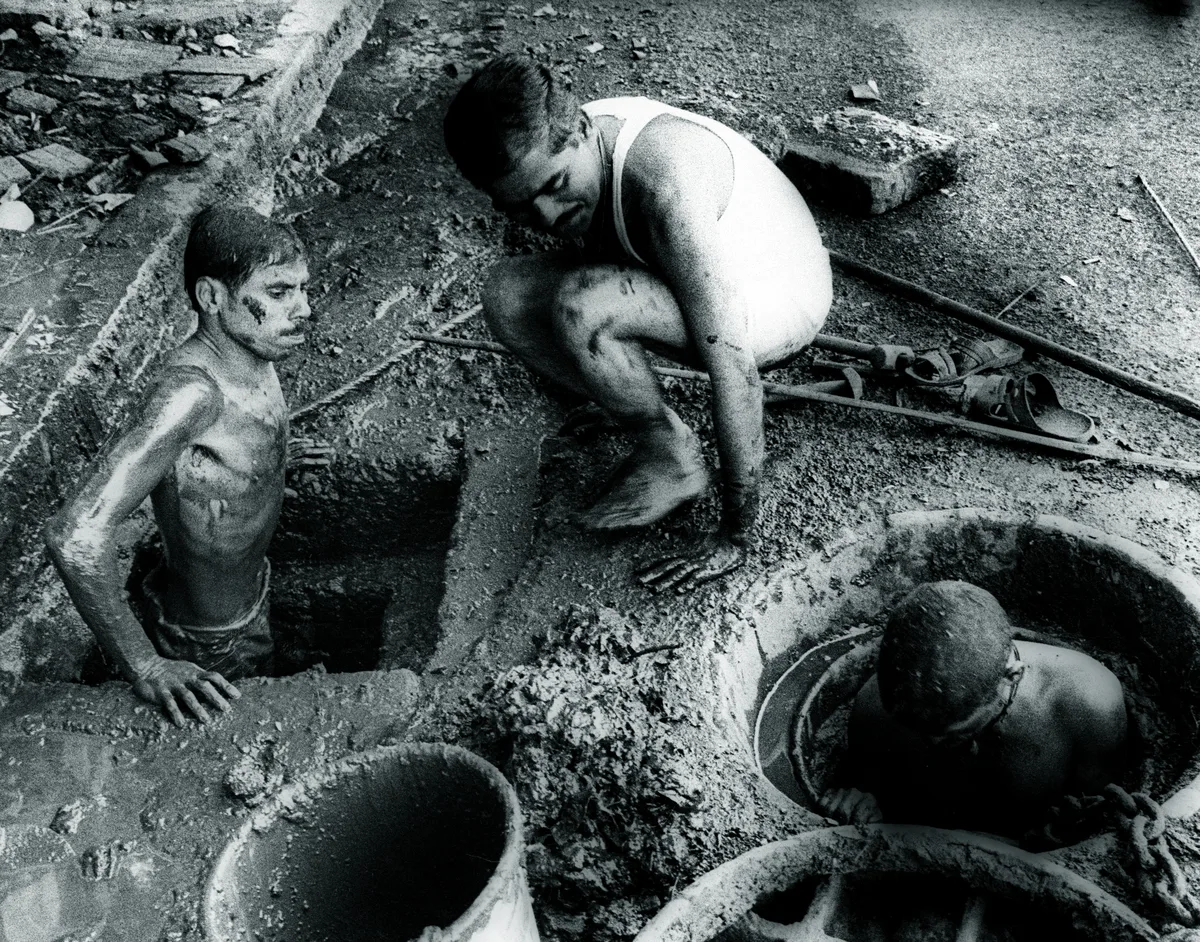
Two men stand chest-deep in open sewer pits, covered in sludge, while a third crouches at the edge beside them.
Dalit sanitation workers in India enter sewers and septic tanks without protective equipment. They are made to do this work because they are already seen as “polluted” and “untouchable”, so the job is treated as their birthright. This is work and descent-based discrimination at its starkest: a hereditary occupation, enforced by purity and pollution, that costs lives

The Inclusivity Project, together with the Asia Dalit Rights Forum, works to end manual scavenging and dismantle the caste-based systems that trap Dalit communities in degrading and dangerous work. Our focus goes beyond documentation and advocacy: we push for the full implementation of existing legislation to ensure these communities are not just protected on paper, but are actually able to discontinue this work permanently and transition into safe, dignified livelihoods.

Through documenting violations, supporting affected communities, and holding governments accountable for enforcing the laws already in place, The Inclusivity Project and its partners are challenging the idea that a person’s birth should determine the work they do, and demanding real pathways out of caste-based labour, not just legal recognition of its harm.

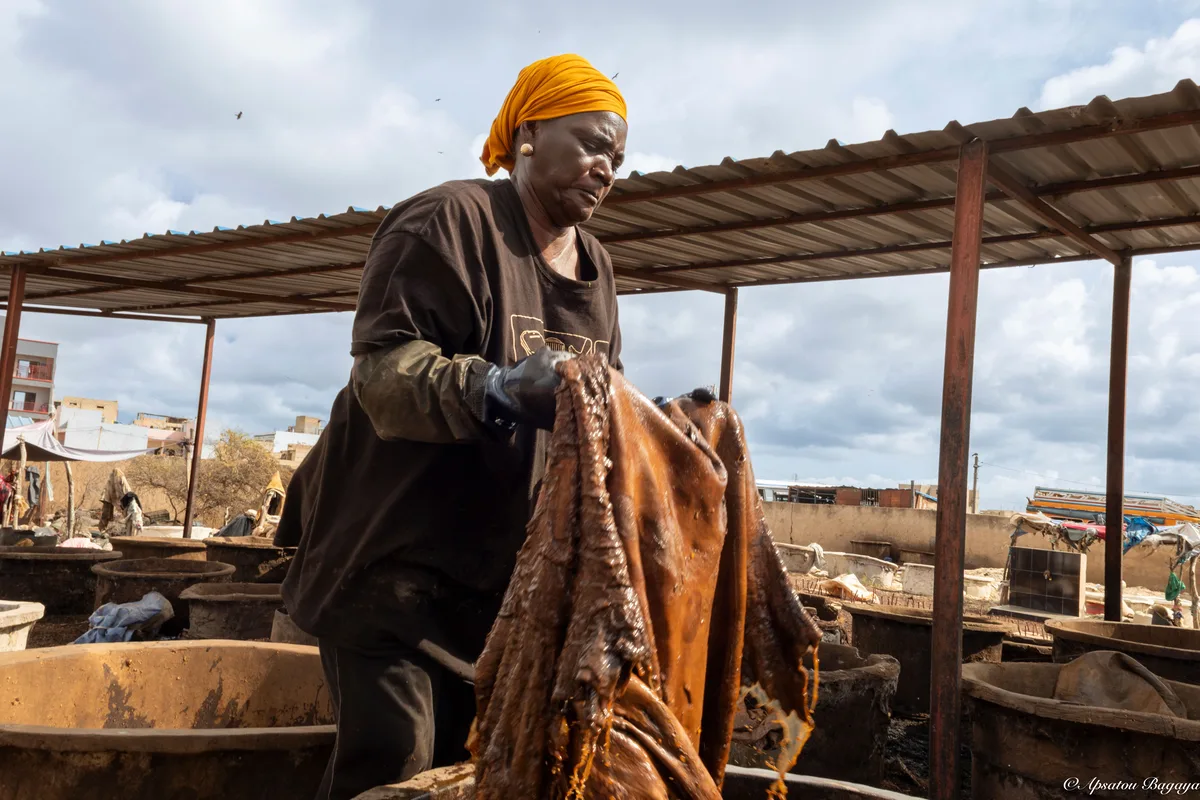
A woman in an orange headwrap and work gloves lifts a wet, dark brown hide out of a tanning vat at an open-air tannery.
In Senegal, as in much of West Africa, leatherwork has long been ascribed at birth to particular artisan castes, so the women who do it are often stigmatised as “impure” and excluded because of their ancestry and their trade.

In the tanneries of Guédiawaye, women stir and mix neb-neb, a natural tanning agent made from acacia pods, to turn raw hides into leather by hand. It is skilled, demanding work, and it is passed down through families. In Senegal, as in much of West Africa, leatherwork has long been ascribed at birth to particular artisan castes, so the women who do it are often stigmatised as “impure” and excluded because of their ancestry and their trade. This is work and descent-based discrimination: the occupation is inherited, the stigma follows the people who do it, and it limits their access to fair pay, resources and social standing.

The Women Tanners’ Cooperative is a collective response to that exclusion. The Inclusivity Project works alongside the cooperative as a network partner, supporting the women to organise, strengthen their livelihoods and make their experiences visible. Through the Global Forum of Communities Discriminated on Work and Descent (GFoD), TIP connects the cooperative with partners worldwide, so that the women’s voices are heard in national, regional and international spaces. The result is a community that is not only earning a dignified income but also claiming recognition for its craft and its rights.