Our Progress
International human rights law passed
For the first time in Africa, the African Commission on Human and Peoples’ Rights (ACHPR) has adopted a resolution recognising the rights of communities affected by descent-based discrimination and “untouchability.” The Inclusivity Project (TIP) and its network partners across Africa initiated this process, bringing the voices of affected communities to the Commission and pushing until their experiences were formally recognised. Resolution 619 is a turning point: descent-based discrimination is now on the African human rights agenda, and the movement for communities discriminated on work and descent has a powerful new tool to build on.
Independent UN experts called for action
Six UN Special Procedures, independent human rights experts mandated to monitor, report and advise, have brought the situation of communities facing discrimination based on caste, descent and work to the UN Human Rights Council with a call for action, giving these issues greater international visibility and weight.
Six governments broke the silence
Colombia, Mexico, Sierra Leone, Romania, Costa Rica and Germany formally raised the issue of “untouchability” with other nations at the United Nations, as recommended by The Inclusivity Project. For communities long invisible to global politics, this is proof that the taboo is breaking.
USA: first-ever Caste Awareness Day
Through our sustained advocacy, Jersey City USA declared an annual Caste Awareness Day, the first recognition of its kind on American soil, shining a light on the reality of caste discrimination affecting communities across the United States and the world.
The work, in figures.
Community leaders empowered
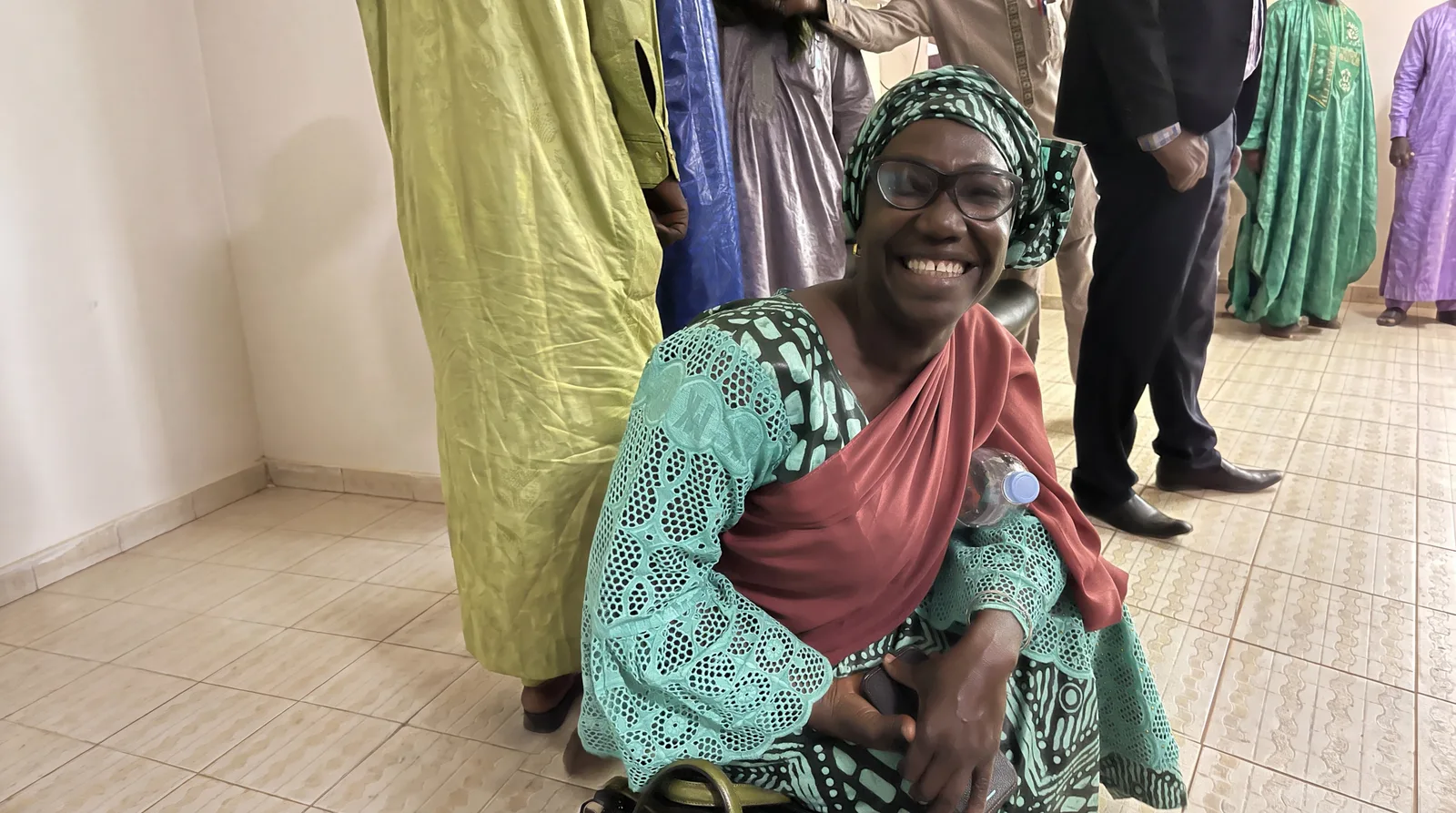
268 community leaders with lived experience of “untouchability” are now trained, supported and protected. We walk alongside them, literally, from their villages to courthouses and UN human rights chambers.
Countries. One monitoring network.
In 21 countries, trained rights experts are on the ground, monitoring cases, documenting violations and standing ready to escalate to the United Nations at any moment. No violation goes unrecorded. No community stands alone.
Interventions at international forums
In 2025 alone, The Inclusivity Project raised untouchability and descent-based discrimination 83 times across international human rights forums, keeping the pressure on, year-round, at the highest levels.
Countries
The Inclusivity Project raised the issue of untouchability to 75 Member States of the United Nations putting the voices of affected communities on the global agenda.
Researchers united in Africa
The Inclusivity Project brought together over 180 researchers through the University of Ghana to investigate caste-like structures across Africa, building on reports published by The Inclusivity Project.
Violation reports submitted to the UN
The Inclusivity Project submitted 25 detailed reports of caste-based discrimination and practices of “untouchability” to international human rights monitoring mechanisms in 2025, turning community testimony into accountable, documented evidence.